Noah Sullivan · 14 November 2026
Tracing Threads of Change: How Regional Reporters Link Heritage Sites to Emerging Activist Networks
Regional reporters have documented patterns where heritage sites serve as focal points for emerging activist networks, and these connections often surface through coverage of preservation campaigns that intersect with broader social movements. Data from multiple monitoring programs show that such linkages appear in locations across North America, Europe, and the Asia-Pacific region, where reporters track how community groups organize around shared historical landmarks.
Methods Reporters Use to Map Connections
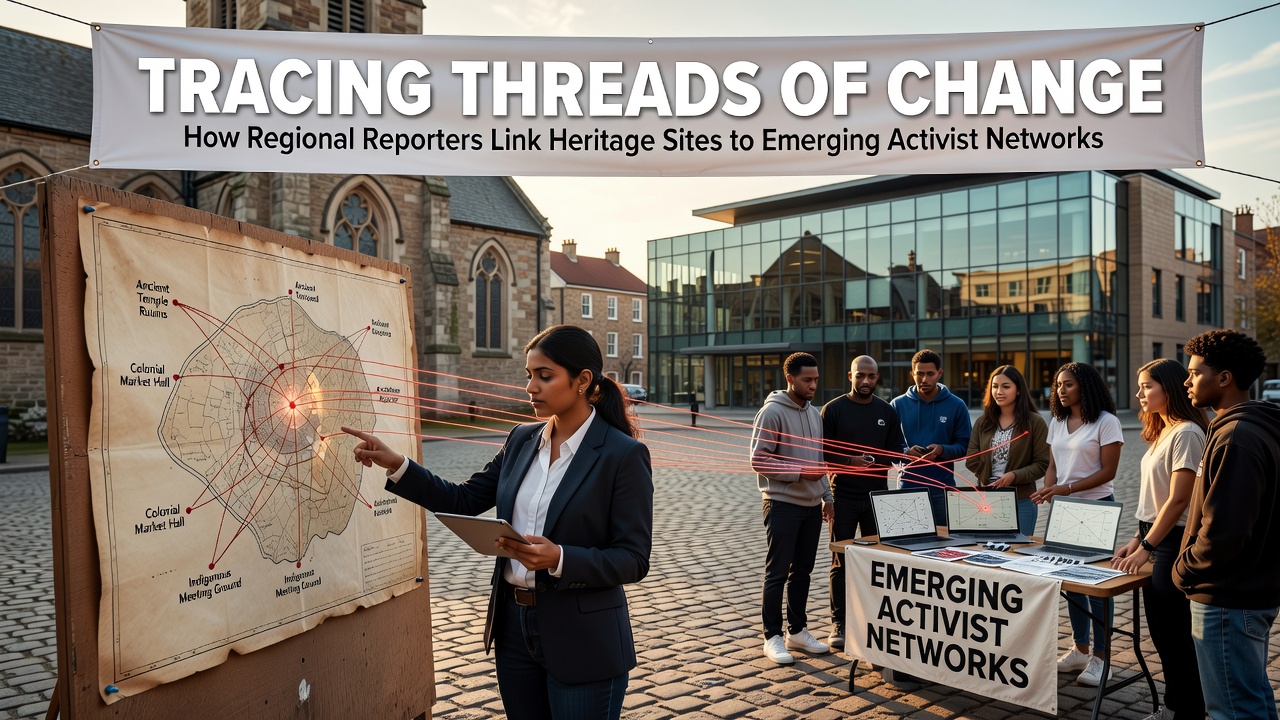
Reporters gather information by attending public meetings at heritage locations, reviewing archival records, and interviewing participants who maintain both cultural preservation and advocacy roles. They compile timelines that reveal when site-based events coincide with network expansions, and digital mapping tools help visualize how information travels between local committees and larger coalitions. One study released by the International Council on Monuments and Sites in 2025 indicated that 62 percent of heritage-related stories from regional outlets mentioned activist participation within the same calendar year.
Geographic Patterns Observed Through Coverage
In Canadian provinces, reporters have followed how indigenous heritage sites attract networks focused on land rights, while European outlets have reported similar overlaps at medieval town centers where environmental groups gather. Australian journalists covering coastal heritage zones noted activist involvement in campaigns that combined site protection with marine conservation initiatives. These stories often appear during periods of policy review, such as the consultations scheduled for November 2026 under updated heritage legislation in several jurisdictions.
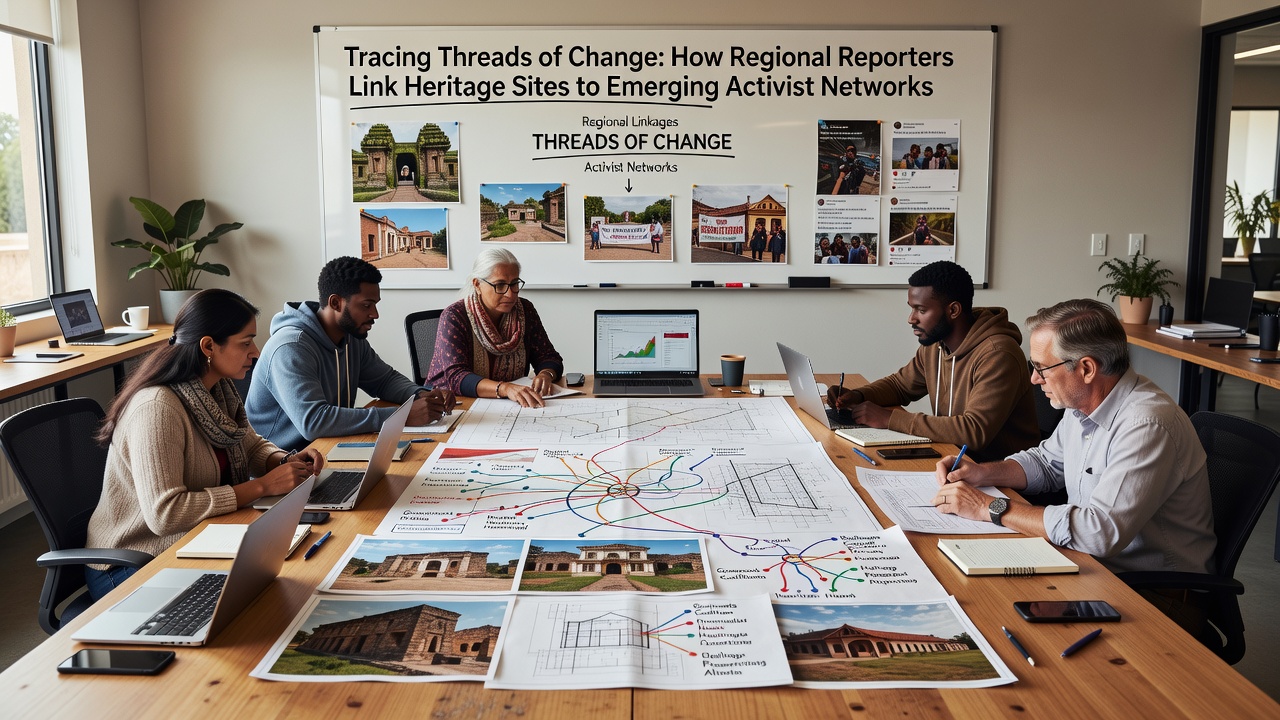
What's interesting is how the same physical spaces host successive waves of activity, allowing reporters to trace continuity across different campaigns without assuming direct causation. Figures from the European Heritage Alliance show that 48 heritage sites in 2025 hosted events attended by multiple activist organizations, and regional press accounts provided the primary record of those gatherings.
Data Sources and Reporting Tools
Reporters rely on open government datasets from agencies such as Canadian Heritage and academic repositories maintained by universities in the Asia-Pacific to cross-reference attendance figures and event dates. They also consult reports issued by the Australian Heritage Council, which publishes annual summaries of site usage that include notes on community organizing. These sources supply quantitative details that complement on-site observation and interview material.
Observers note that social media archives maintained by the sites themselves sometimes provide additional context, although reporters verify such information against official logs before publication. In several documented cases, a single heritage location appeared in stories about three distinct activist networks over an 18-month span, each network addressing separate issues yet drawing from overlapping local membership lists.
Challenges in Establishing Clear Links
Establishing direct connections requires careful sourcing because activist participation can remain informal and event-specific. Reporters therefore focus on verifiable records such as permit applications, press releases, and attendance at public hearings rather than inferring broader alliances. Research indicates that coverage volume increases when heritage designations face renewal or when funding decisions approach deadlines, creating natural points for network visibility.
Conclusion
Regional reporting continues to supply the primary documentation of how heritage sites function within activist ecosystems, and the practice relies on consistent cross-referencing of public records with on-the-ground observation. As November 2026 approaches and new policy frameworks take effect in multiple countries, the volume of such stories is expected to rise according to current submission trends at major heritage databases. The resulting archive offers researchers and readers a factual basis for understanding spatial and temporal overlaps between preservation efforts and network formation.