
Xander Braun · 31 October 2026
Regional Storytellers Adapt to Policy Changes While Protecting Indigenous Narratives
Regional storytellers have faced increasing pressures from evolving government policies that affect funding for cultural programs, access to archival materials, and integration of indigenous histories into educational curricula, and these shifts have prompted many communities to develop new strategies for preserving oral traditions and written records alike. Data from various cultural heritage organizations shows that policy adjustments in multiple countries have altered grant structures since the early 2020s, which has led storytellers in areas such as the Pacific Northwest and parts of Oceania to form collaborative networks that share resources across borders.
Policy Adjustments Reshape Funding and Access
Changes in cultural preservation funding have required storytellers to navigate new application processes and eligibility criteria, while researchers at institutions in Canada and Australia have documented how these reforms influence the transmission of stories that span generations. According to reports from the Australian Institute of Aboriginal and Torres Strait Islander Studies, revised allocation models have prioritized certain digital archiving projects over live performance initiatives in some regions, and this has encouraged storytellers to combine traditional methods with emerging technologies to maintain audience engagement. Observers note that similar patterns appear in North American contexts where federal guidelines have emphasized measurable outcomes for heritage grants, prompting local groups to track participation metrics more closely than before.
Community-led initiatives have responded by establishing regional hubs that pool expertise, and one such network in British Columbia has coordinated workshops on adapting narratives for younger audiences without altering core cultural elements. These efforts coincide with broader legislative reviews that began rolling out in 2025 and continue into October 2026, when several jurisdictions plan to assess the impact of updated heritage laws on indigenous language programs. Figures from government statistical agencies reveal that participation in oral history projects has remained steady in select areas despite these transitions, although access to physical archives has varied depending on local implementation timelines.
Cross-Regional Collaborations Emerge
Storytellers have increasingly turned to inter-community partnerships that link practitioners from different geographic zones, and this approach allows for the exchange of techniques suited to fluctuating policy environments. In one documented case from the American Southwest, groups have adapted storytelling sessions to align with new school district requirements around cultural competency training, while counterparts in New Zealand have focused on aligning with updates to treaty-based education mandates. Research indicates that such collaborations often involve shared digital platforms, which help preserve recordings when physical gatherings face logistical hurdles tied to revised travel or venue funding rules.
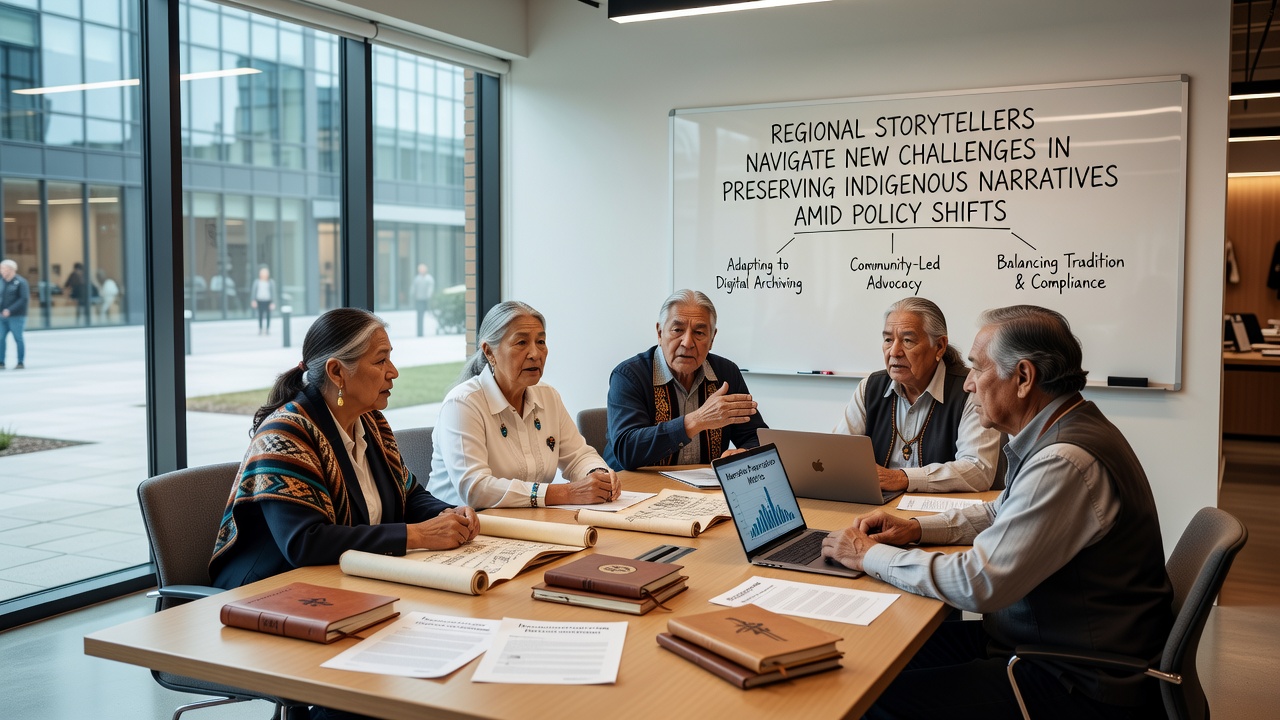
Academic studies from universities in multiple countries highlight how these networks reduce duplication of effort, yet they also introduce complexities around intellectual property that vary by jurisdiction. For instance, guidelines issued by cultural ministries in Canada stress community consent protocols, whereas Australian frameworks have incorporated additional layers for commercial uses of recorded materials. Those who track these developments point out that storytellers must balance rapid adaptation with careful consultation processes to avoid unintended dilution of narrative authenticity.
Technology and Training Fill Emerging Gaps
Training programs have expanded to include digital literacy components alongside traditional mentorship models, and data from educational research centers shows rising enrollment in courses that teach both archival methods and contemporary recording techniques. Policy shifts have sometimes accelerated the adoption of online repositories, which enable wider distribution while raising questions about long-term data sovereignty. In regions where October 2026 deadlines for compliance with new privacy standards approach, groups have prioritized secure storage solutions that meet multiple regulatory expectations simultaneously.
Examples from community archives illustrate how storytellers integrate multimedia elements into live sessions without shifting focus away from spoken word traditions, and this hybrid style has gained traction where policy encourages measurable public outreach. Evidence from longitudinal surveys suggests that such adaptations correlate with sustained interest among younger participants, although outcomes depend on consistent resource availability across different policy landscapes.
Conclusion
Regional storytellers continue to refine their approaches as policy environments evolve, drawing on historical knowledge while incorporating tools that address current administrative demands. Information compiled by heritage organizations across continents underscores the ongoing need for flexible frameworks that support both preservation and accessibility, and ongoing assessments scheduled through late 2026 will likely shape the next phase of these adaptations.