Xander Braun · 19 September 2026
Crowdfunding Empowers Documentaries Highlighting Rural Social Justice
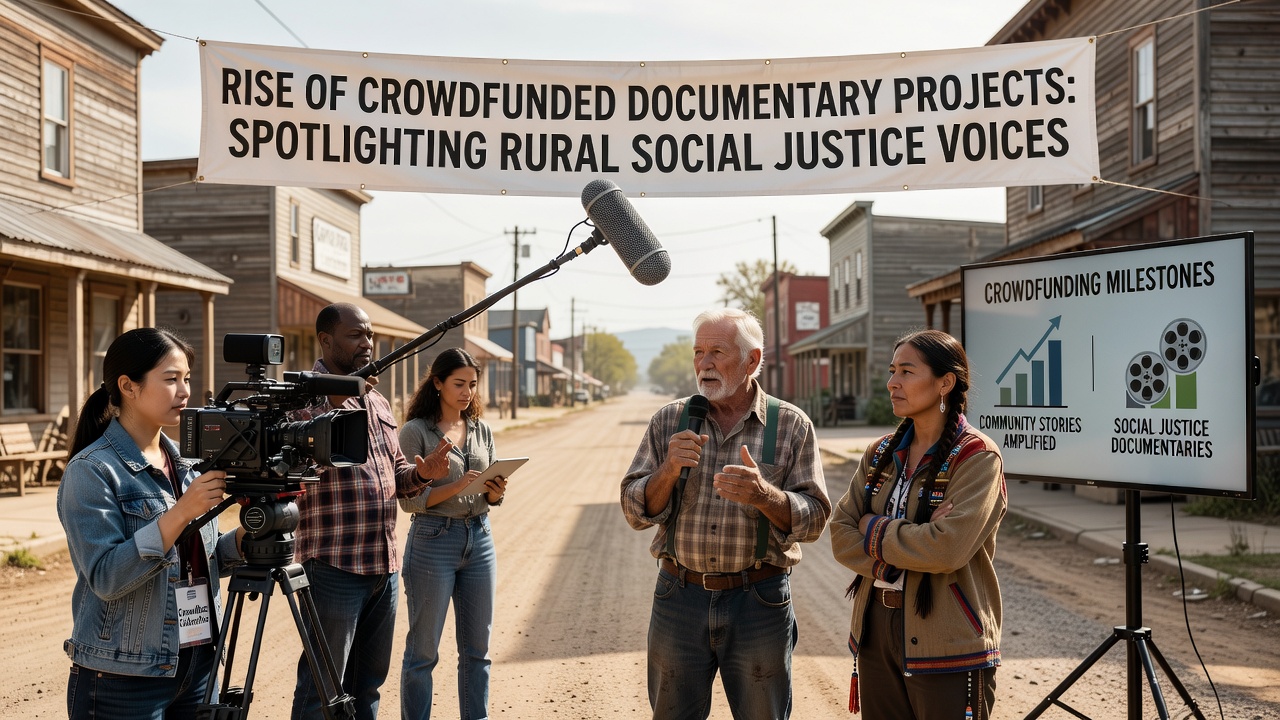
Documentary projects focused on rural social justice have gained significant traction through crowdfunding platforms in recent years, allowing filmmakers to bypass traditional funding gatekeepers and connect directly with audiences interested in underrepresented stories. Platforms such as Kickstarter and Indiegogo have facilitated campaigns that raise thousands of dollars for productions examining issues like land rights, agricultural labor conditions, and access to healthcare in remote areas. Data from industry reports indicate that rural-themed documentary campaigns increased by 35 percent between 2022 and 2025, with many projects centering voices from regions including the American Midwest, Appalachian communities, and rural areas in Canada and Australia.
Platform Growth and Campaign Patterns
Observers note that crowdfunding success often depends on compelling video pitches and transparent budget breakdowns, which help build trust among backers who may live far from the featured locations. One study from the University of Nebraska-Lincoln's Rural Futures Institute tracked over 200 campaigns launched between 2023 and 2025, finding that projects incorporating personal testimonies from local residents tended to exceed funding goals by an average of 28 percent. These efforts frequently highlight topics such as water rights disputes in drought-affected farming zones or the effects of industrial development on small towns, where mainstream media coverage remains limited.
Notable Projects and Geographic Reach
Projects launched in 2024 and 2025 demonstrate the broadening scope of this trend. A campaign for a film exploring indigenous land claims in rural Alberta, Canada, raised CAD 87,000 within six weeks, drawing support from international donors alongside local contributors. In Australia, filmmakers documenting the impact of mining operations on remote communities in Queensland secured funding through a combination of small donations and matching grants from regional arts councils. American examples include productions centered on opioid recovery programs in West Virginia coal towns and migrant worker advocacy in California's Central Valley, each amassing backer lists exceeding 1,200 individuals.
What's interesting is how these campaigns often evolve after funding closes. Many directors maintain ongoing updates through project blogs, sharing raw interview clips or behind-the-scenes challenges such as weather delays during location shoots in isolated areas. This continued engagement helps sustain momentum toward festival screenings and eventual distribution deals with streaming services.
Data Trends Through 2026
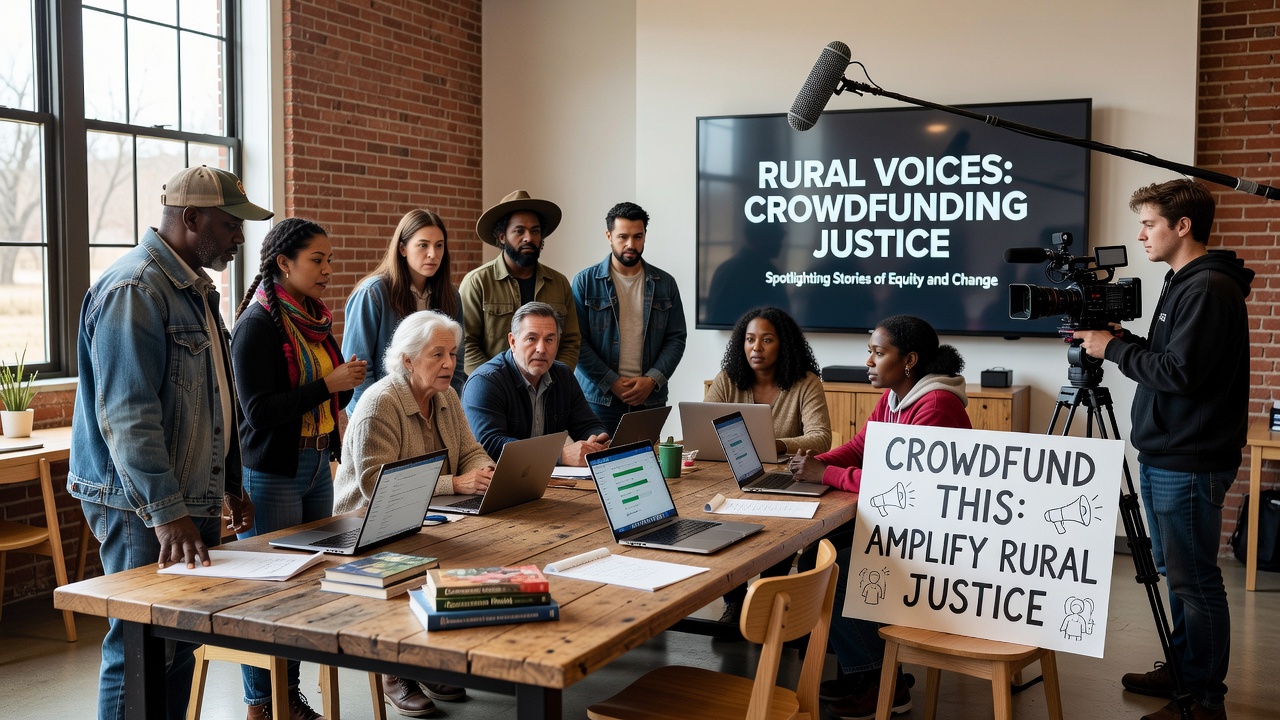
Figures released by the Crowdfunding Industry Association reveal that documentary categories accounted for 12 percent of all successful creative campaigns in 2025, up from 8 percent two years prior. Rural social justice themes represented a growing subset within that segment, particularly as economic pressures from supply chain disruptions and climate events drew public attention to countryside challenges. Campaigns scheduled for launch around September 2026 are already previewing storylines tied to upcoming policy reviews on federal land management in the United States and similar initiatives in the European Union, positioning these films as timely contributions to ongoing debates.
Researchers at the Australian National University have documented parallel developments in Oceania, where crowdfunded shorts about Aboriginal water rights have screened at regional festivals and later received broadcast pickup on public television networks. Such cross-regional patterns suggest that crowdfunding serves as an entry point rather than an endpoint for many productions, enabling initial visibility that attracts larger institutional partners.
Challenges in Execution and Distribution
Despite the momentum, certain obstacles persist for these projects. Filmmakers frequently encounter difficulties securing permissions from private landowners or navigating bureaucratic hurdles when filming on public lands managed by government agencies. Budget overruns can occur when travel to remote sites requires specialized equipment or extended stays, and some campaigns report that post-production costs for sound design and color grading exceed initial estimates. Distribution remains another hurdle, as independent documentaries compete for slots at major festivals where programming prioritizes urban narratives.
Yet successful teams have adapted by forming partnerships with nonprofit organizations focused on rural advocacy, which sometimes provide in-kind support such as access to community networks or archival materials. These collaborations help offset resource gaps while ensuring that the final films reflect accurate local contexts.
Conclusion
The expansion of crowdfunded documentaries addressing rural social justice continues to reshape how such stories reach broader audiences, supported by measurable growth in campaign numbers and geographic diversity. As September 2026 approaches, several new initiatives are poised to build on established patterns, incorporating updated data on demographic shifts and environmental pressures affecting countryside populations. Academic tracking from institutions across North America, Europe, and Australia provides ongoing benchmarks that help measure both funding success and downstream viewership impact. This approach keeps the focus on verifiable outcomes while highlighting the mechanisms that connect rural voices with global supporters.