Jakob Bennett · 17 October 2026
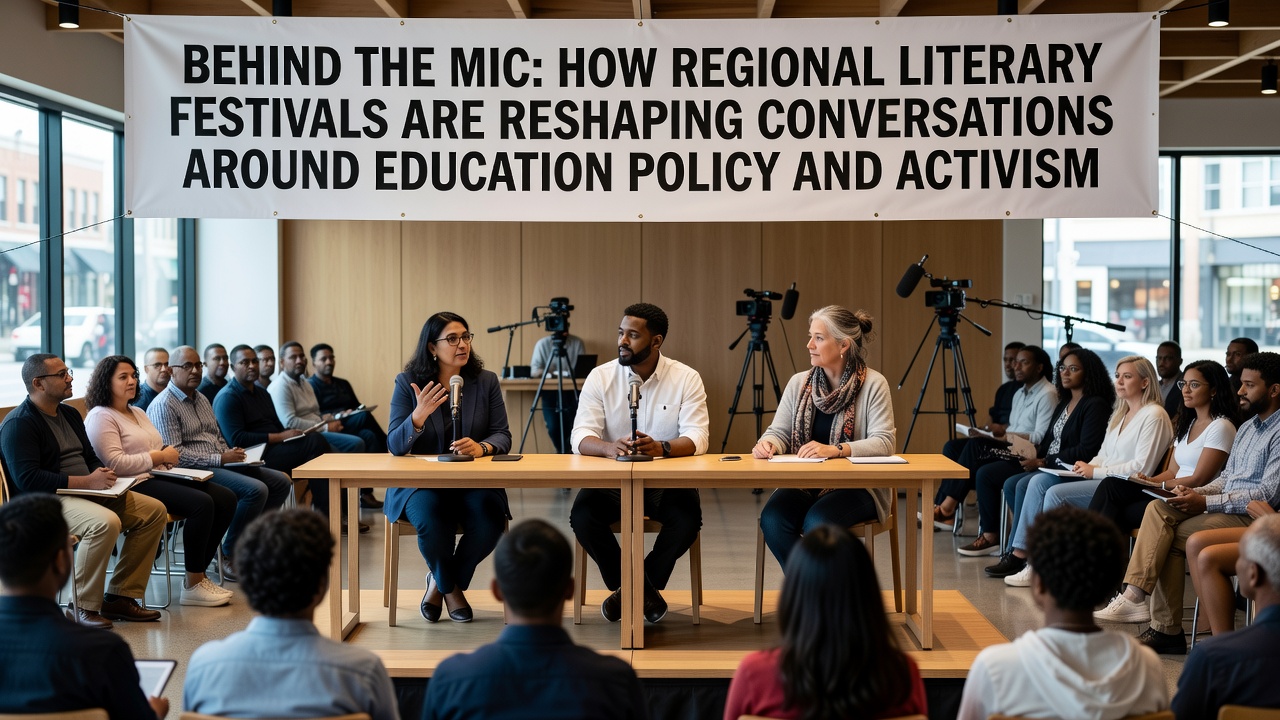
Behind the Mic: How Regional Literary Festivals Are Reshaping Conversations Around Education Policy and Activism
Regional literary festivals have expanded their programming to include dedicated sessions on education policy and activism, drawing participants from local schools, community organizations, and government agencies across multiple countries. These events feature authors, educators, and policymakers who examine curriculum standards, funding mechanisms, and equity measures through readings, panel discussions, and workshops. Attendance figures from festivals in North America and Europe indicate steady growth in sessions focused on these intersections since 2023, with organizers reporting higher engagement when topics connect literature directly to legislative developments.
Events scheduled for October 2026 in several mid-sized cities will highlight new state-level proposals on literacy programs and teacher training initiatives. Festival schedules list joint appearances by writers and education researchers who present case studies from rural districts and urban centers alike. Data compiled by national arts councils shows these gatherings often precede follow-up meetings between attendees and local representatives, creating documented pathways from discussion to formal submissions on policy drafts.
Programming Shifts at Established Festivals
Festivals in the Pacific Northwest and parts of the Midwest have adjusted their lineups to allocate prime morning slots for education-focused talks, replacing some traditional author interviews. Program directors cite feedback from previous years where audiences requested more direct engagement with current bills on school board governance and digital resource allocation. One study released by the National Endowment for the Arts found that festivals incorporating activist-oriented panels experienced a 22 percent increase in repeat local attendance compared with those maintaining purely literary formats.
Organizers coordinate with regional education departments to secure guest speakers who can address specific statutes under review. In practice this means sessions that pair novel excerpts with data visualizations on achievement gaps, followed by audience questions routed to official channels. Similar patterns appear in festivals across Australia and Canada, where cultural agencies track how literary events contribute to public consultation processes on curriculum reforms.
Activism Ties and Cross-Regional Networks
Activist groups focused on equitable access to reading materials now use festival stages as regular meeting points, scheduling satellite events that feed into broader campaigns. These networks connect participants from different provinces and states through shared reading lists and follow-up webinars. Figures released by the OECD education directorate indicate that regions with active literary festival circuits show elevated rates of public comment submissions during open policy periods, though causation remains under ongoing study.
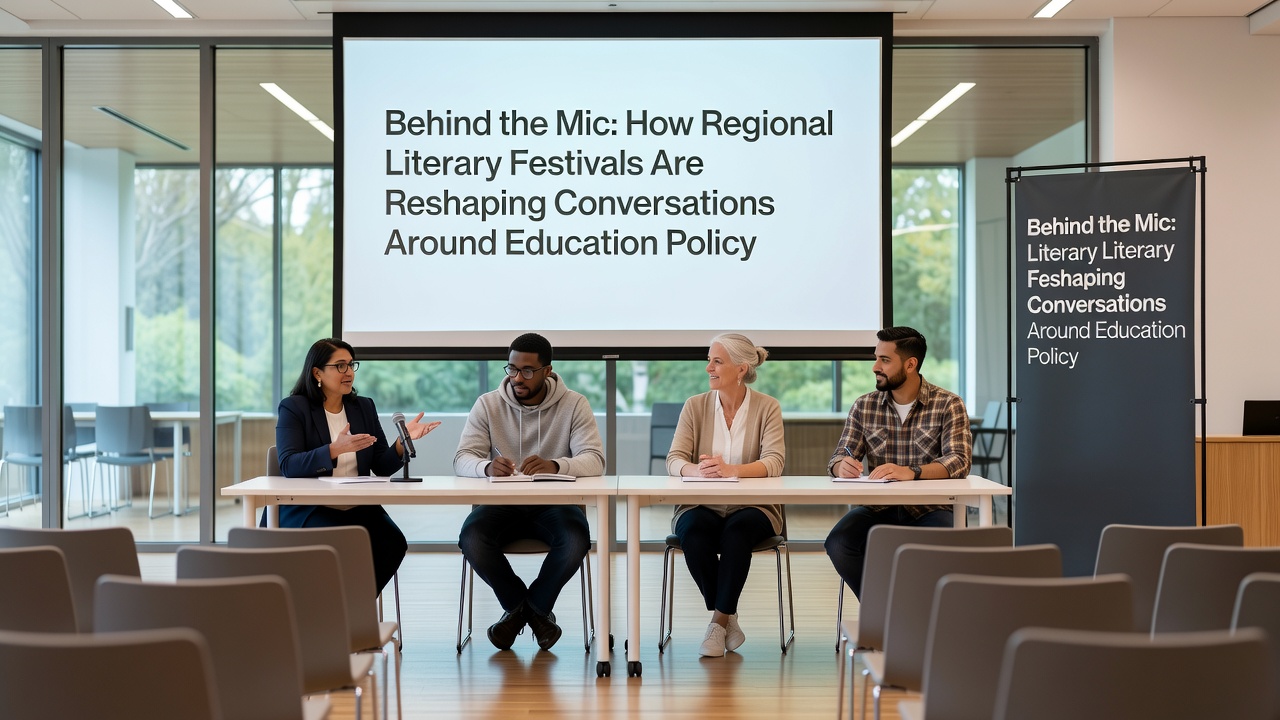
Coordinated programming has produced joint statements from multiple festivals that reference specific legislative language on inclusive textbooks and teacher support grants. These statements circulate through education advocacy channels and appear in committee briefings. Observers note that the format allows writers to frame personal narratives alongside statistical summaries, giving policymakers concrete examples when evaluating proposed changes.
Measuring Influence on Policy Discussions
Tracking mechanisms introduced by several festival boards record how many session participants later contact representatives or submit testimony. Early results from 2025 seasons show elevated response rates when events occur within two months of legislative deadlines. University research teams in the United Kingdom and New Zealand have begun longitudinal projects that map festival topics against subsequent amendments in regional education codes, providing quantitative context for what remains largely anecdotal evidence at present.
Funding sources for these expanded programs include grants from cultural ministries and private foundations that prioritize civic engagement metrics. Allocation reports list line items for transcription services and live-stream archives, ensuring policy content reaches audiences beyond physical attendees. Partnerships with public libraries extend the reach further by offering discussion kits tied directly to festival recordings.
Conclusion
Regional literary festivals continue to integrate education policy and activism into their core schedules, supported by attendance trends and institutional partnerships. October 2026 events will add new data points to existing patterns of cross-sector dialogue. Documentation from multiple agencies shows measurable links between festival programming and public input channels, while ongoing studies seek to clarify the scope and durability of these connections across different jurisdictions.